This post may contain affiliate links. This means if you click and purchase a product through one of these links, I may receive a small commission at no extra cost to you.
In an ever-changing world, the idea of self-reliance becomes increasingly captivating. One empowering step towards self-sufficiency is growing your own food in your backyard. It’s more than just a hobby; it’s a journey of connection, empowerment, and delicious harvests. But where do you start?
Planting the Seeds: Why Grow Your Own Food?

The benefits of growing your own food are plentiful:
- Freshness Taste of homegrown produce, bursting with flavor and free of chemicals.
- Health: Control what goes into your food, ensuring healthy and nutritious meals for yourself and your family.
- Savings: Reduce your grocery bill by growing your own staples and seasonal favorites.
- Sustainability: Minimize your environmental impact and support local ecosystems by growing locally and organically.
- Knowledge: Connect with nature, learn new skills, and experience the joy of nurturing life from seed to harvest.
From Tiny Sprouts to Bountiful Gardens: Getting Started
Don’t let the idea of a sprawling farm intimidate you. Even a small balcony or patio can be transformed into a thriving mini-garden. Here’s how:
- Assess your space: Sunlight, access to water, and available soil are crucial factors. Be creative! Utilize containers, vertical gardening systems, or raised beds if space is limited.
- Choose your crops: Select plants that thrive in your climate and suit your taste and experience level. Start with beginner-friendly options like leafy greens, herbs, and cherry tomatoes.
- Plan your garden: Research plant spacing, companion planting techniques, and harvest times to optimize your growing space.
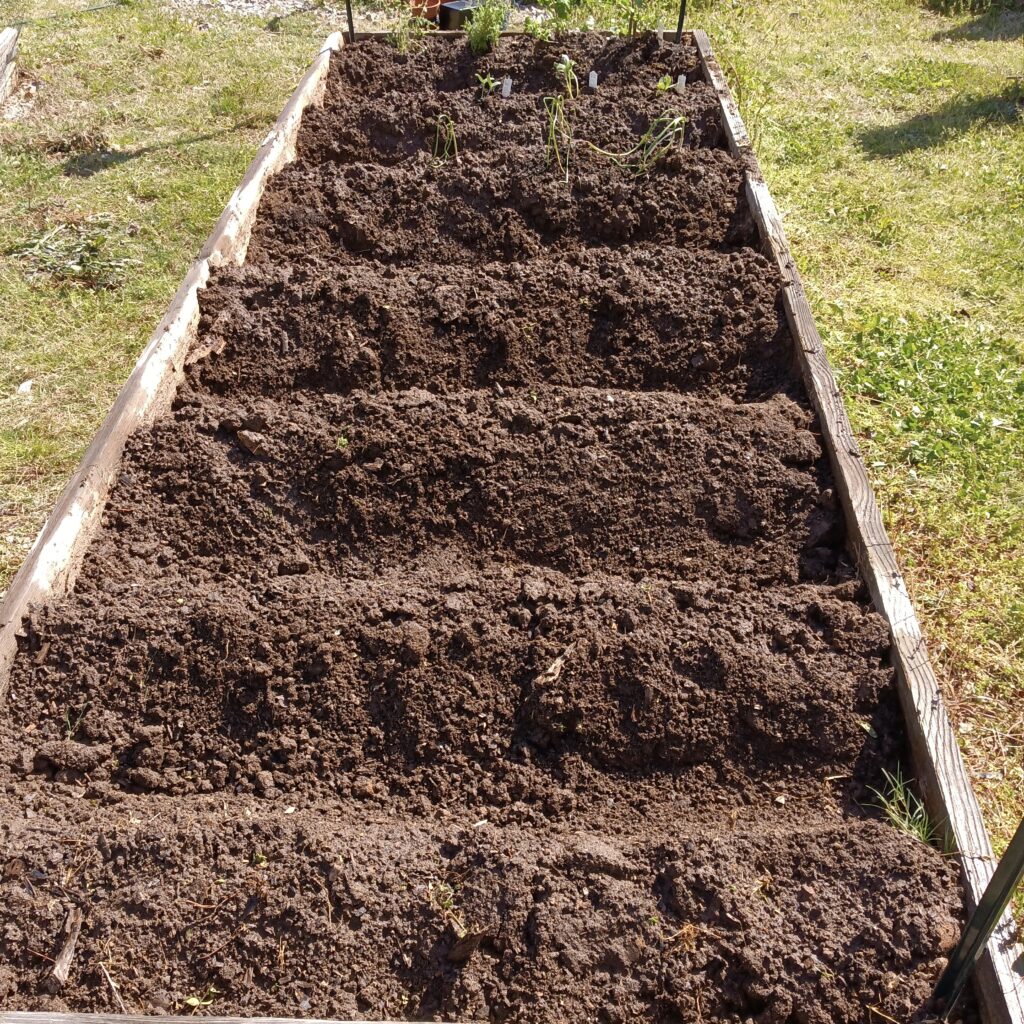
- Get your hands dirty!: Choose organic seeds and potting mix, prepare your soil, and plant with care. Remember, nurturing your garden is a continuous process, so be patient and observe!
Beyond the Harvest: Growing a Sustainable Future
Your backyard garden can be a springboard for further self-reliance:
- Compost food scraps and yard waste to nourish your soil naturally.
- Collect rainwater for irrigation, reducing your reliance on municipal water.
- Explore food preservation techniques like canning, drying, and pickling to enjoy your bounty year-round.
- Share your knowledge and surplus produce with your community, fostering connection and resilience.
Remember, growing your own food is a journey, not a destination. Embrace the learning process, celebrate small victories, and enjoy the satisfaction of nourishing yourself and the planet, one delicious bite at a time. So, roll up your sleeves, get outside, and start cultivating your self-reliance, one seed at a time!
- The dark night of the soulThe Dark Night of the Soul What exactly is the dark night of the soul? To some these words may be unfamiliar at this time,… Read more: The dark night of the soul
- The Forgotten Lighthouse in the HarborA Story of Iron, Copper, and Intent The Statue of Liberty is often viewed as a simple postcard icon, yet her true power lies in the… Read more: The Forgotten Lighthouse in the Harbor
- The Quiet Blueprint: God, Nature, and the Architecture of RealityThe starting point in understanding the architecture of existence begins in what may be called the unseen Genesis. Across traditions such as the Tao, the Bible,… Read more: The Quiet Blueprint: God, Nature, and the Architecture of Reality
- The Rhythm of letting goObserving the self, Embracing the shift. When we step back and become the observers of our own lives, it’s like taking a front row seat to… Read more: The Rhythm of letting go
- Catching Yourself Before You Snap: Healing Impulsive Reactions